Implementing Biophilic Design in Commercial Spaces
Concrete walls and synthetic surfaces might look clean and modern, but too much of that can feel lifeless. Most people spend a lot of time indoors, especially in workspaces. When a space lacks any connection to nature, it’s no surprise that moods drop and focus slips. That’s where biophilic design comes in. Instead of creating places that just function, this approach helps shape workplaces that feel calm, balanced, and much more livable. It’s about forming a bond between indoor environments and nature through design choices that are thoughtful, sensory, and healing.
The push for biophilic design in Pune’s commercial offices is growing. With so much urban development and expanding corporate centers, there’s a clear need for spaces that feel refreshing and human. Corporate environments here tend to run warm, active, and tech-heavy, which makes bringing in natural elements all the more valuable. Many office designers are now leaning into biophilic strategies to make these spaces feel more grounded, using nature to reset how people interact with light, air, texture, and space.
Understanding Biophilic Design
Biophilic design is based on a simple idea: people feel better when they’re closer to nature. The term might be recent in architecture, but the concept behind it is timeless. Think of sitting near a sunlit window, listening to the sound of flowing water, and being surrounded by green plants. Those aren’t luxury details. They connect to something deeper—comfort, balance, and mental clarity.
This design style brings in small but meaningful components from the natural world to shape how spaces look, sound, and feel. In office spaces, clinics, and creative studios, that means choosing materials, lighting, and layouts that strengthen our bond with nature. These are the cornerstones that make up a biophilic environment:
– Direct Nature: Access to actual sunlight, plants, water, or fresh air. Think of features like big windows, garden courtyards, and indoor trees.
– Indirect Nature: Textures or visuals that mimic nature. Items like wooden patterns, nature-based artwork, and earthy fabrics bring subtle comfort.
– Sensory Variance: An environment with soft movement and texture. Dimmable lights, textured wall finishes, and smooth walking surfaces create a natural rhythm.
– Organic Layouts: Moving away from boxy setups. Incorporating curves, soft transitions, and free-flowing zones enhances the experience.
These elements don’t just make a space look good. They make it feel better. Team members tend to stay focused longer, feel calmer, and work together more easily in places designed with nature in mind. A lounge space that swapped plastic barriers for planter walls and bamboo slats made people linger longer and talk more freely—even though the purpose of the room stayed the same.
Choices that are quiet but intentional have real impact. The point isn’t to build an indoor forest. It’s more about gentle cues that reconnect people with natural rhythm—even in places filled with spreadsheets and schedules.
Key Elements Of Biophilic Design For Commercial Spaces
Each design decision affects how people work and feel. Here are the main components that play a strong role when using biophilic design within a corporate environment:
1. Natural Light
Too much artificial lighting can feel harsh and cold. Bringing in real daylight through larger windows or skylights makes rooms feel more alive. Using reflective surfaces keeps the light flowing throughout without sharp glare.
2. Indoor Greenery
Plants aren’t just decor. They influence how air flows and how the space functions. Green walls, potted trees, and even simple hanging plants can make stark offices feel inviting. Using low-maintenance species like pothos or snake plants ensures greenery stays vibrant without much upkeep.
3. Natural Materials
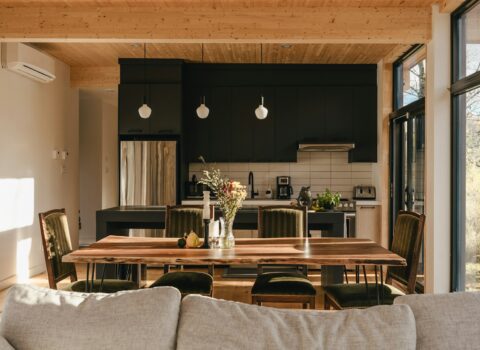
Materials taken from the earth provide grounding texture. Wood-paneled ceilings, jute-covered furniture, and stone counters reduce the dominance of plastics and metal. These elements add warmth without fighting clean lines.
4. Water Features
Dripping water or moving streams have a calming effect. Small fountains or aquariums placed in corners or waiting zones can settle overstimulated minds. The sound and gentle motion provide a cue to slow down, even in busy offices.
Bring these elements together evenly and you get more than surface beauty. Spaces begin to feel intuitive. People can think clearly, collaborate openly, and move with more ease. These changes create emotional shifts in how the space is used—not just physically but mentally too.
Integrating Psychology And Vaastu In Biophilic Design
When natural components are part of the design, the body and mind ease into more relaxed patterns. Biophilic design uses this instinct. It focuses on how people respond to texture, light, color, and movement. In corporate offices, studios, or health clinics, it creates not just stylish environments but also thoughtfully aligned experiences.
Layer that with Vaastu and the outcome becomes even more intentional. Vaastu maps space in a way that aligns physical dimensions with invisible energy. When natural elements are placed according to these principles, the results feel peaceful even if we can’t pinpoint why. For instance, placing greenery or water in the northeast corner is said to bring mental clarity. Keeping open space on the east side and private spots towards the southwest helps people feel lighter and more grounded.
There’s an office in Pune where this was applied by removing square workstations and inserting soft-edged desks with natural dividers. The orientation of desks was adjusted based on Vaastu principles. The space transformed into one that embraced daylight and guided collaboration without pressure. It helped staff feel both rooted and ready.
This is less about tradition and more about resonance. Even without deep knowledge of architectural psychology or ancient guidelines, people recognize when a space supports natural movement and thought. It feels effortless—and that ease shapes how people behave within it.
Sustainable Practices To Support Biophilic Interiors
Biophilic design works best when it supports not just people but also the planet. Sustainability isn’t just a bonus feature—it needs to be part of the foundation.
Good design should last without causing harm. Every plant wall or reclaimed wood panel can lead to better health indoors, but it should also be chosen with long-term impact in mind. Using non-toxic finishes, recycled wood, and organic textiles helps reduce environmental load while maintaining a nature-forward look.
Technology helps too. Lighting systems with sensors that adjust to daylight save energy while improving the atmosphere. Zoned HVAC can respond to occupancy and time of day. Build-offs may even qualify for green certifications, but ongoing care matters more.
Some simple sustainable ideas to apply:
– Choose low-water plants that thrive indoors and don’t need full sun.
– Use recycled or locally sourced stone and earth materials for accents.
– Increase natural brightness through mirrors, bright flooring, and clear partitions.
– Reduce HVAC usage by adjusting room design for sun exposure and airflow.
– Opt for long-life furnishings and biodegradable pieces for decor.
Every detail should align with both visual comfort and environmental ethics. When those choices are intentional, the space becomes one that helps people and nature thrive together.
Why Pune Workspaces Are Ready For Change
Something is shifting across commercial projects in Pune. Designers are moving away from rigid cubicles and plain finishes, using nature-first strategies to reshape how people experience their workdays.
This approach isn’t a passing trend—it’s a new norm that puts human connection at the center of office design. Workspaces that follow biophilic principles turn out quieter, calmer, and more emotionally tuned. That changes how people behave. They feel more seen. They work with more care. The environment starts to mirror the values of the organization.
Pune has the right climate and urban pattern to make this successful. With vibrant greenery, consistent sunlight, and comfortable air quality, there’s plenty to pull into indoor design. Plus, as hybrid work becomes more common, shared areas and flexible working lounges offer opportunities to create zones that support both focus and rest.
Biophilic design goes deeper than decor. It shapes presence. Bringing nature into commercial spaces guides behavior, nurtures wellness, and supports a culture of clarity in day-to-day work. Right now, Pune is in a position to lead with workspaces that think about people—not just performance. And that kind of thinking has the power to shape the future.
For businesses interested in elevating their workplace with biophilic elements and mindful environments, working with an experienced corporate office designer in Pune can transform the everyday office into a sanctuary of balance and focus. At Resaiki, we design spaces rooted in human psychology, sustainability, and sensory-rich experiences to strike a seamless balance between luxury and wellness.