What Happens When a Construction Company Delhi Blends Beauty, Function and Human Experience?
A building can look impressive and still feel uncomfortable. It can have expensive finishes, dramatic lighting, and beautiful furniture, yet fail to support the people who use it every day. This is where a thoughtful approach from a construction company Delhi begins to look beyond appearance.
Good design considers how people move, work, rest, recover, and connect with a space. It brings architecture, interiors, lighting, materials and spatial planning together instead of treating them as separate decisions.
For example, a home should feel personal without becoming impractical. A corporate office should support productivity without feeling sterile. A healthcare facility needs more than efficient circulation. It should also reduce anxiety and create a sense of calm.
Consequently, the strongest spaces are created when beauty serves a purpose. They respond to human behaviour, environmental conditions and the identity of the people or organisation using them.
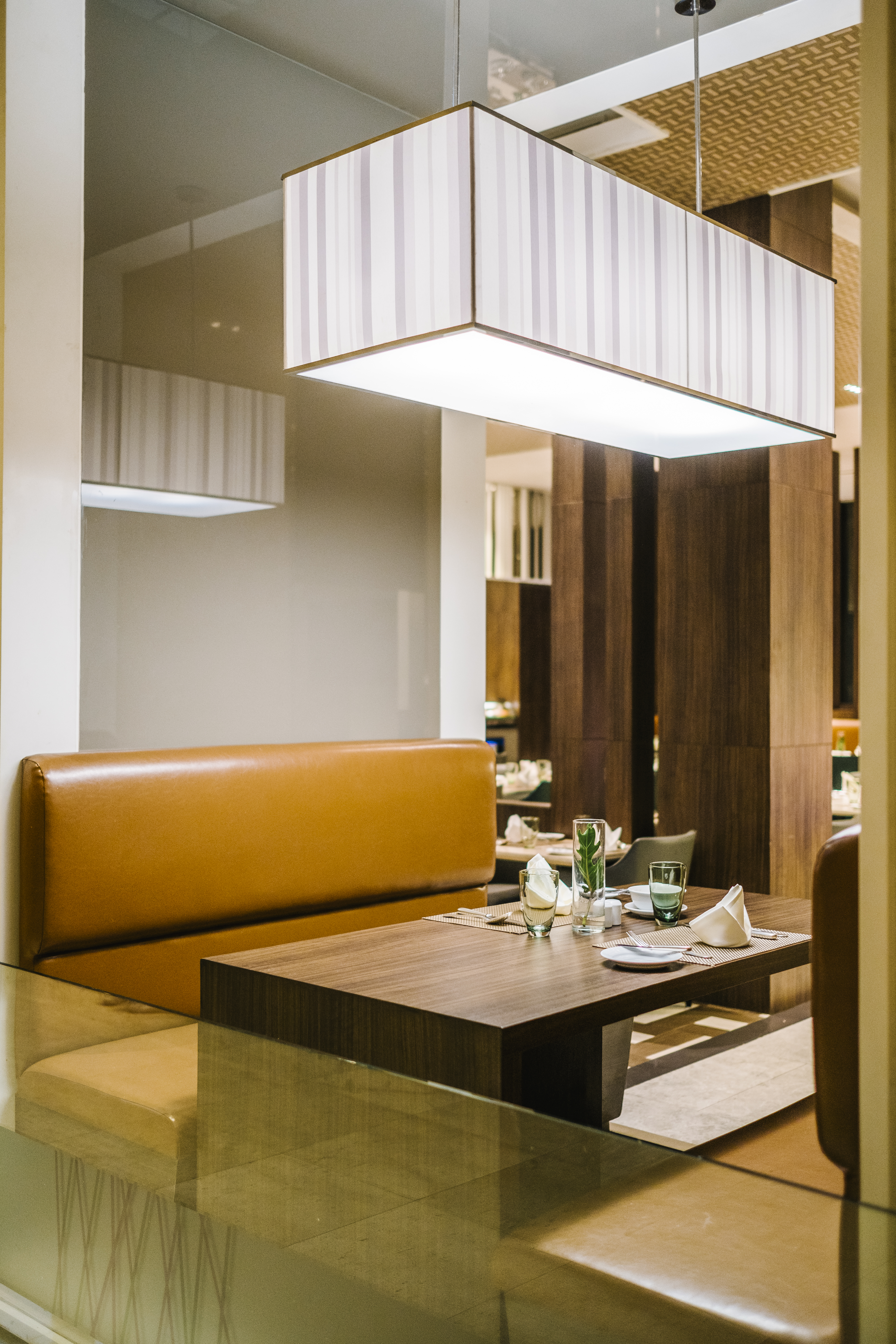
Why Human Experience Changes the Meaning of Good Design
Traditional construction discussions often focus on area, materials, timelines and structural requirements. These remain essential. However, the finished space is ultimately experienced by people.
Consider a bedroom. Its success is not measured only by the wardrobe finish or flooring specification. Light, colour, ventilation, privacy and movement all influence how comfortable it feels.
The same principle applies to commercial environments. Employees notice whether a workplace feels cramped, distracting or welcoming. Customers notice how easily they can navigate a store, salon or hospitality venue.
Therefore, design needs to consider the five senses alongside practical requirements. Texture affects touch, lighting influences visual comfort, and acoustics support concentration. Colours can shape mood, while spatial proportions influence openness. A best interior designer in Delhi understands these details and uses human-centred thinking to give architecture deeper purpose.
How a Construction Company in Delhi Can Balance Beauty and Function
A successful construction company Delhi does not have to choose between visual impact and everyday usability. The two can strengthen each other when decisions are made early.
Beauty should support the purpose of a space
Luxury residences and restaurants need more than visual appeal. Thoughtful materials, lighting, storage, feature elements, and spatial planning should support lifestyle, identity, efficiency, comfort, and practical everyday use.
Function begins with spatial planning
Spatial planning shapes daily experience by organising movement, reducing clutter, improving functionality, and creating purposeful relationships between private, shared, public, service, collaborative, and focused areas.
Why Context Matters in Architecture and Interiors
Every project has its own context, shaped by location, climate, culture, regulations, surrounding architecture, and user expectations. Therefore, design research should come first.
Understanding these factors helps create spaces with suitable lighting, ventilation, functionality, aesthetics, and market relevance while responding effectively to specific environmental and user needs.
From colour psychology to Vaastu
The emotional quality of an environment can be shaped by several details working together. Colour selection can influence how a room feels. Natural materials can introduce warmth. Lighting can create focus or relaxation. Spatial arrangements can support privacy or social interaction.
Vaastu can also form part of the design thinking where it is relevant to the client’s expectations. Rather than treating such considerations as isolated features, they can be integrated with planning and functionality. This creates a more holistic design response.
What Different Project Types Teach Us About Human-Centred Design
The value of human-centred thinking becomes particularly clear when comparing different environments.
Homes need emotional connection
Residential design is closely connected to personal routines. A successful home should accommodate everyday activities while expressing the character of its occupants.
Bedrooms, living areas, kitchens and transitional spaces need individual attention. Yet they must also feel connected as one environment.
The goal is not simply to create a luxurious home. It is to create a place where luxury feels comfortable and personal.
Offices need identity and productivity
Corporate interiors have a different responsibility. They represent a business while supporting employees, meetings, collaboration and focused work.
Thoughtful planning can help distinguish formal areas from informal spaces. Lighting and acoustics can improve comfort. Brand elements can appear through materials, colours and details without turning the office into an advertisement.
This is where experienced interior designers in Delhi NCR can add value by translating organisational identity into a functional physical environment.
Healthcare spaces require empathy
Healthcare design demands an even more sensitive approach. Patients may already feel anxious, vulnerable or overwhelmed.
A well-designed facility can support clearer navigation, comfortable waiting areas, appropriate privacy and a calmer atmosphere.
The DY Patil hospital project in Pune illustrates this broader philosophy. The 38,000-square-foot medical facility incorporates spiritual healing as a core design value, demonstrating how healthcare environments can address emotional experience alongside operational requirements.
Interest in hospital interior design Delhi NCR also reflects the growing understanding that healthcare interiors need to balance clinical requirements with comfort and dignity.
Hospitality spaces create memories
Restaurants and resorts rely heavily on atmosphere. Guests remember how a place made them feel, not simply what materials were used.
Lighting, seating, circulation, textures, views, and visual storytelling can work together to establish a distinctive identity.
A carefully considered resort interior in Delhi can therefore do more than create attractive rooms. It can build an environment where arrival, dining, relaxation and social interaction feel connected.
Technology Can Strengthen the Design Experience
Contemporary design increasingly benefits from new-age technologies and advanced solutions. Three-dimensional visualisation can help clients understand concepts before execution, while digital tools improve coordination between disciplines. In hospital design Delhi, technology can support wayfinding, lighting control, patient monitoring areas, and efficient space planning.
However, technology should remain a means rather than the objective. A technologically advanced space is not automatically successful. It should improve comfort, efficiency, communication, safety, or visual quality.
Furthermore, sustainable thinking is becoming increasingly important. Material selection, energy use, natural light, and long-term durability all influence the environmental responsibility and performance of a project.
Why Integrated Thinking Produces Better Results
Architecture, interiors and lighting can easily become disconnected when handled as isolated stages. An integrated approach creates stronger relationships between them.
Imagine a living room designed without considering its lighting. The furniture may be attractive, but the atmosphere could change completely after sunset.
Likewise, an office designed without understanding circulation may look impressive in renderings but become frustrating during daily use.
Integration prevents these disconnects. It also encourages earlier conversations about budget, timelines, materials and execution. Consequently, design decisions become more realistic and easier to translate into the finished project.
The Real Value of Design Is What People Experience
Beautiful architecture attracts attention. Functional planning earns appreciation. Human-centred design creates lasting value. That difference matters.
A thoughtfully designed space can make movement easier, improve comfort, reinforce identity and influence emotional wellbeing. It can help a business communicate its character and help residents feel more connected to their surroundings.
In this context, choosing a construction company Delhi is not simply about finding someone to create a physical structure. It is about finding a design partner capable of understanding how architecture will be experienced after the drawings are complete.
Where Thoughtful Design Meets Your Vision
RESAIKI approaches design through a combination of research, functionality, aesthetics, positivity and human experience. We look at how colour, spatial planning, Vaastu, lighting and context can work together rather than treating each decision separately. For you, this means a design developed around the way the space will actually be experienced, used and remembered.
Our experience across residential, commercial, institutional, hospitality, and healthcare projects allows us to respond to different requirements. As a construction company Delhi, we believe beauty becomes more meaningful when it improves everyday life and supports the purpose of every space.
If you are planning a project where design needs to feel purposeful as well as distinctive, RESAIKI can help turn that vision into a thoughtful environment. Explore the possibilities with our design team.
Conclusion
The most successful spaces do not force people to choose between beauty and function. A construction company Delhi can bring both together while considering emotion, behaviour, context, and purpose.
When architecture becomes a human experience rather than simply a finished structure, every detail gains greater meaning. From a restorative home to a productive workplace, thoughtful design shapes how people experience their surroundings every day.
That is ultimately the value of purposeful architecture: creating spaces that do more than look good. They work well, feel right, and remain meaningful long after completion.