Using Texture and Materials to Create Sensory Experiences
Introduction
Interior design is not only about how a space looks, but also about how it feels. The atmosphere of a home directly influences mood, comfort, productivity, and emotional well-being. Thoughtful interior design speaks to all five senses, and one of the most powerful ways to achieve this is through the use of texture and materials.
From the softness of an upholstered sofa to the cool touch of natural stone, every surface interacts with the human body and mind. These choices go far beyond aesthetics—they shape daily experiences. In residential interior design, texture plays a quiet yet powerful role in creating calm, warmth, and balance.
For homes in Pune, material and texture selection becomes even more important. The city’s climate, evolving lifestyle, and fast-paced urban rhythm demand interiors that feel breathable, grounded, and comfortable throughout the year. The aim is not just luxury, but livability. When textures are chosen with intention, a house transforms into a nurturing, sensory-rich home.
The Role Of Texture In Interior Design
Texture gives a room dimension. It decides whether something feels flat or full of movement. From plush to rough, matte to glossy, each surface layer can change how a room feels without changing the layout. The right mix of textures can make even large spaces feel grounded and comfortable.
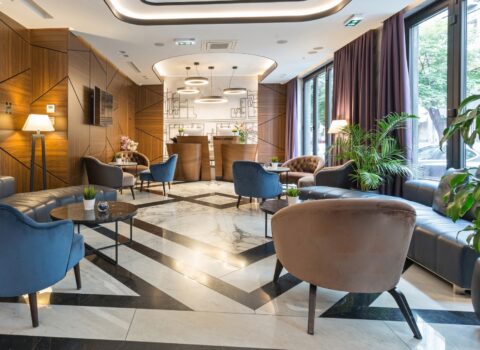
In many homes or offices, texture is used to create contrast and interest. Think of a stone feature wall next to a soft upholstered chair. Or a concrete floor softened by a woven area rug. These combinations help the eye travel and make spaces feel balanced and calm. Especially in a busy environment, texture plays a backup role in regulating energy. It guides where to rest your eyes and where you feel at peace.
Here are specific ways textures can shape how a room works:
– Soft fabrics like suede, velvet, or linen add comfort to furniture areas and lounges
– Coarse textures like wood grain or jute create a grounded, earthy feel
– Smooth, glossy surfaces like glass or polished tile reflect light and open up a room
– Layered materials, like pairing leather with wool, add visual depth without clutter
For homes in Pune, consider texture choices that hold up well to humidity while still feeling cozy during cooler months. Cotton, wood, raw silk, and natural fiber blends tend to work well across seasons. The focus should always be on achieving balance. Mix smooth with rough, light with dark, airy with dense. Texture’s role is to bring together function and comfort without making it feel forced.
Choosing The Right Materials For Sensory Impact
Material selection goes beyond visuals. Sound, touch, and even scent play into which materials work best for a particular space. A quiet reading corner might call for soft drapes and heavy textiles that absorb sound. A kitchen may benefit from sleek marble surfaces and metals that feel solid and clean.
The key is to choose materials that appeal to the senses while also reflecting your style. When done thoughtfully, they can uplift both the look and the emotional impact of a room. For example, adding hand-carved wood on the wall not only offers visual interest but also provides a tactile experience you don’t get from flat paint.
Here are commonly used materials that create mood and texture:
– Wood: Feels grounded and calming, suits flooring, ceilings, and furniture accents
– Stone: Brings cool relief to warm areas, great for entryways or as surface counters
– Cotton and linen: Breathe well and feel light, ideal for window treatments and bedding
– Leather: Adds richness, works well for seating in living and office zones
– Glass and steel: Clean and modern, helps create open, bright corners
Material choice should also respond to the local lifestyle. Pune sees weather shifts throughout the year, so selecting materials that adapt to both warmth and movement in temperature makes a difference. Going for durable, cleanable surfaces with texture like terrazzo floors or rattan dividers adds flexibility. It’s not about using every material possible, but picking those that add subtle layers without fighting each other. When everything feels like it belongs, the whole vibe of the space changes.
Integrating Natural Elements
Natural elements have a way of calming the senses like nothing else. Whether it’s the feel of a smooth pebble walkway or the smell of fresh indoor plants, these organic touches help ground a space. They also bring balance to finishes that can otherwise feel artificial or cold. In a city like Pune, where the seasons shift and nature is already part of everyday life, bringing some of that energy indoors can make home environments feel more connected and alive.
Adding natural pieces doesn’t have to be overwhelming. Some options are subtle but still meaningful:
– Bamboo panels as wall treatments or ceiling highlights
– Indoor plants that thrive in filtered sunlight, like peace lilies or snake plants
– Water features like simple tabletop fountains to create soft background sounds
– Cane or jute furniture for a rustic yet flexible design element
– Raw stone finishes on counters or accent walls
These additions do more than fill space. They interact with the senses with sight, sound, and even tactile input. A planter by the kitchen window or a hanging terrarium in the living room can improve how a room feels without being dramatic. It’s these small sensory notes that contribute more to emotional well-being than we often realize.
Beyond looks, natural elements also help with airflow, acoustics, and mood. Clay pots can help regulate humidity, while water elements add a sense of movement in otherwise still corners. Balance the rough with the refined by pairing matte finishes with soft fabrics, or rough bark textures with polished wood furniture. This conversation between materials strengthens the entire space.
Creating Zones With Texture And Materials
Many homes juggle a mix of functions across shared spaces. Open floor plans are popular, but they come with their own challenges. That’s where texture and materials play a big role. They help set boundaries between activity zones without the need for walls.
To break up larger areas in a simple and laid-back way:
– Use area rugs to define seating spaces in a living room
– Install wood slats, screens, or hanging plants to mark off reading corners or entryways
– Choose different flooring textures or patterns to separate dining areas from lounge spaces
– Vary wall materials, like tile backsplashes in kitchens or textured paint in work zones
– Add lighting styles like diffused pendant lamps in relaxation zones and focused task lights near workstations
This approach keeps a space flexible yet structured. You still have flow, but there’s clarity too. In Pune, where families often share multi-use areas, bringing structure through surfaces supports both quiet focus and lively gatherings. Think of how a soft woven bench and carpet in a kids’ play corner contrasts a smooth tabletop and chairs nearby. The transition feels natural while still creating purpose for the space.
Zoning also helps people feel more at ease, especially when everyone’s needs vary daily. Whether it’s working from home, entertaining guests, or relaxing with family, textures and materials give each zone a clear voice.
Elevating Spaces With Textural Accents
Small decor decisions can transform a bland room into one with personality and movement. Textural accents are those little touches that shift the atmosphere from flat to layered without requiring a full renovation.
Accent materials help:
– Add softness and relaxation, like draped throws, plush cushions, or thick curtains
– Break up visual monotony. A simple bench with a woven top or a ceramic vase creates interest without extra color
– Catch light in different ways. Matte fabrics, glass decor, or metallic trims all reflect light uniquely
– Layer depth. Wall panels or 3D artwork create a visual story behind your furniture
– Tie unrelated items together with common materials, like pairing wicker baskets with rattan chairs
The trick is not to be overcrowded. Choose two to three types of accents and repeat them subtly across the room. For example, a single woven lampshade complemented by a textured rug and a small plant holder with similar finishes. Keeping things in harmony helps maintain a clean, sensory-rich space.
Even in simple apartments or compact homes in Pune, accents have the ability to transform how a room feels. They draw attention where it matters most and add emotional warmth you can’t get from furniture alone.
Enhancing Your Pune Home With a Residential Interior Designer
Design isn’t only about what’s beautiful. It’s about what feels right. Sensory experiences shape how people interact with their environment daily. From mornings started in a quiet reading chair to fast-paced evenings spent in the kitchen or lounge, the right textures ground us, center us, and make the home feel more human.
Material and texture choices don’t need to be complex. The right surface beneath your feet or the curve of a chair’s armrest can speak volumes. What matters most is how each element works together to support comfort, clarity, and connection. When a home feels like it responds to you to your routine, your climate, your senses it becomes more than a place to stay. It becomes a place that feels like it’s truly yours.
For a home that truly reflects your unique style and meets your lifestyle needs, rely on Resaiki to bring expertly curated interior design to life. Working with a residential interior designer in Pune who understands the impact of materials and textures allows your spaces to feel both grounded and elevated. Explore how we can help craft a home that is visually stunning, emotionally uplifting, and tailored to support your day-to-day experiences.